
Evidence Day
An Innovative Look at the Role of LLMs in Next-Gen Publishing
Agentic interaction with scientific articles is not duct-taping an LLM onto a PDF viewer to produce glorified summaries.
Previous Evidence Day, held in NYU Abu Dhabi, introduced Evidentron.
A lot has changed since last December. LLMs got dramatically better, and they stopped being a novelty in academia. They're now part of how we read, write, and review.
Publishers have noticed and are scrambling to respond. But they're missing the ingredient that matters: the article content as structured data, bundled with its own reproducible sandbox that contains code, data, runtime dependencies, and every relationship between them.That's the difference between a document you can summarize and an object an agent can operate on.
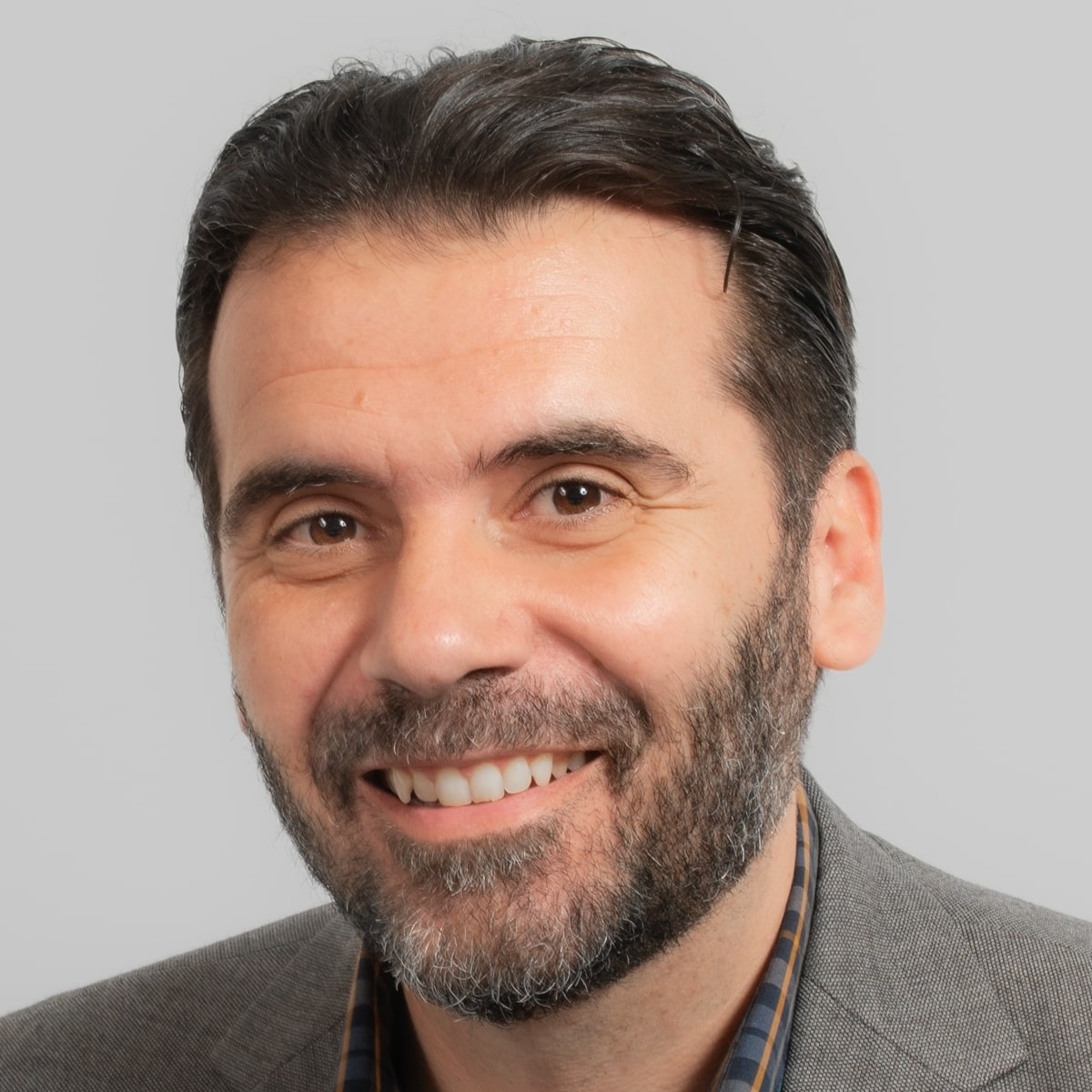
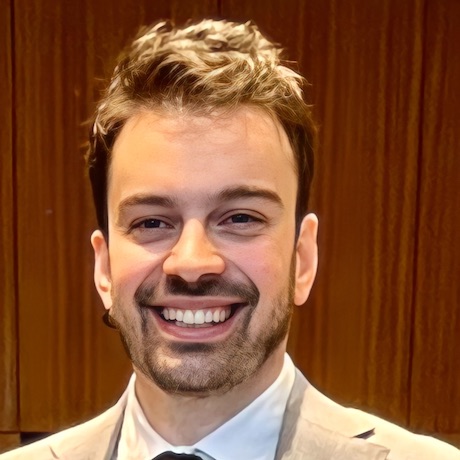
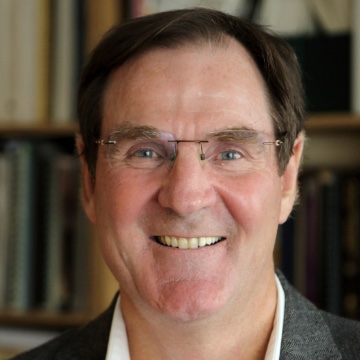
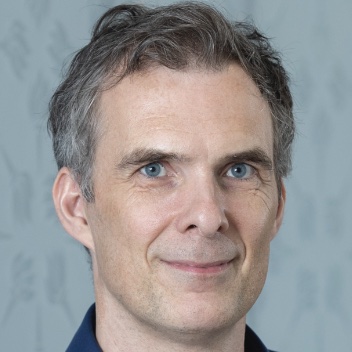
We have the right people to guide this discussion: Stephen Boyd, who made optimization research something you can actually run; Vanja Josifovski, who made prediction over relational structure work at scale; and Steve Liu, who builds the computing systems that make any of it affordable.
Plenary Speakers


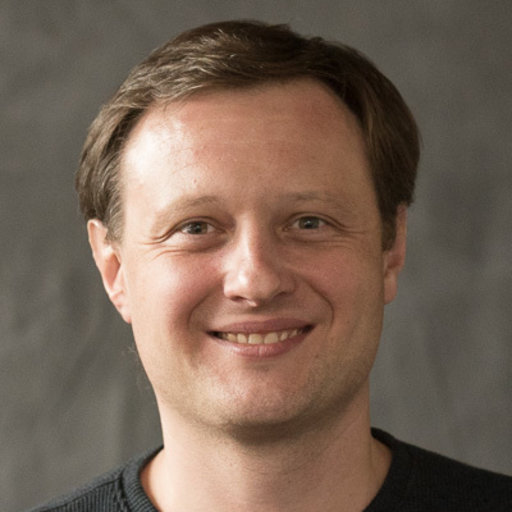
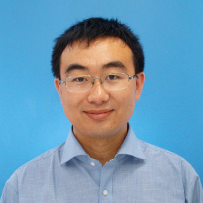
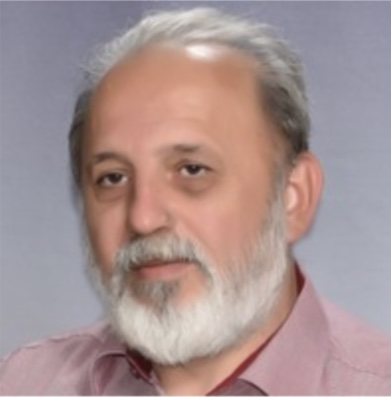
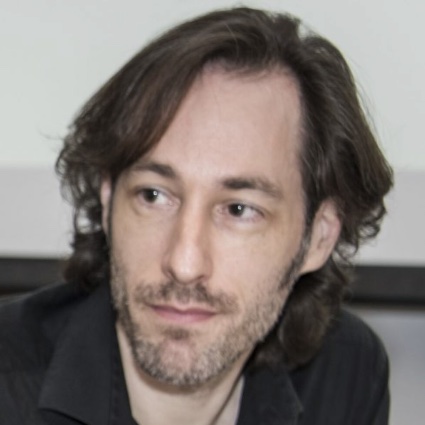
Scientific Committee



🎨
Themes
CLICK HERE TO REGISTER
The event will take place in Skopje, with participation from our Evidence partners in Canada, Japan, North Macedonia, and UAE.
🇨🇦🇯🇵🇲🇰🇦🇪
Agenda
Plenary talk by Stephen Boyd
🏅 TBD
Samsung Professor in the School of Engineering and Professor of Electrical Engineering at Stanford, where he chairs the EE department. His work is on convex optimization and its applications in control, signal processing, machine learning, and finance. Few researchers have done more to close the gap between a published mathematical result and software that anyone can actually run, and Dr. Boyd is one of them.

Plenary talk by Vanja Josifovski
🏅 TBD
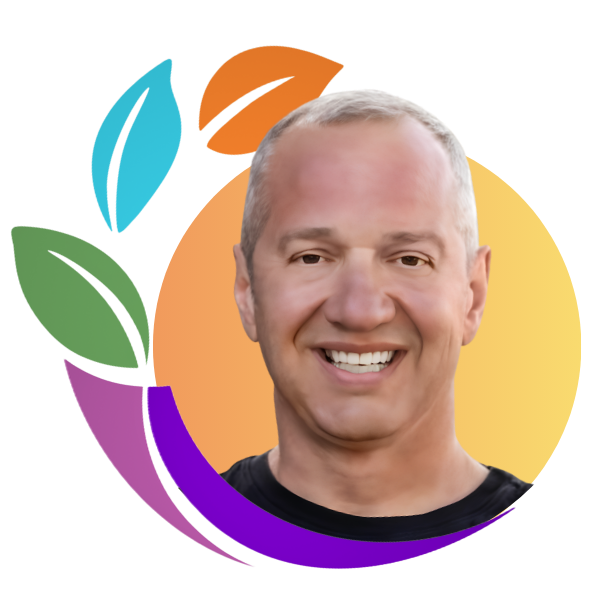
Builder of large scale systems that reason over structured and relational data. He was a research scientist at IBM and Yahoo Research, then CTO at Pinterest and later CTO of Homes at Airbnb, before co-founding Kumo AI, whose relational foundation models make predictions directly over a database graph rather than a flattened feature table. NVIDIA acquired Kumo in June 2026 and he moved there with it. His career is a long argument that the structure between records is where the signal lives.
Plenary talk by Xue (Steve) Liu
🏅 TBD
Associate VP for Research and Professor of Machine Learning and Computer Science at MBZUAI, on leave from McGill University's School of Computer Science. Previously VP R&D and Chief Scientist at Samsung AI Center Montreal, and Chief Scientist at Tinder, with earlier stints at HP Labs and IBM T. J. Watson. IEEE Fellow, Fellow of the Canadian Academy of Engineering, former chair of ACM SIGBED, author of over 400 papers across intelligent computing systems, IoT, cyber physical systems, and sustainable computing.


Coffee Break
Time for a peer-reviewed caffeine intervention. Refuel before the next round of evidence.
Evidence team: Agah Karakuzu
🤖 Agents of the Woven Literature
Agah Karakuzu serves as the principal engineer and technical lead for Evidence, guiding its architecture and development. His talk will explore its newest advances in response to the accelerating pace of AI: the woven literature.

Townhall Meeting with Sun Zhe, Bas Rokers, Nikola Stikov, and Ordan Chukaliev
⎈ Evidence Chairs
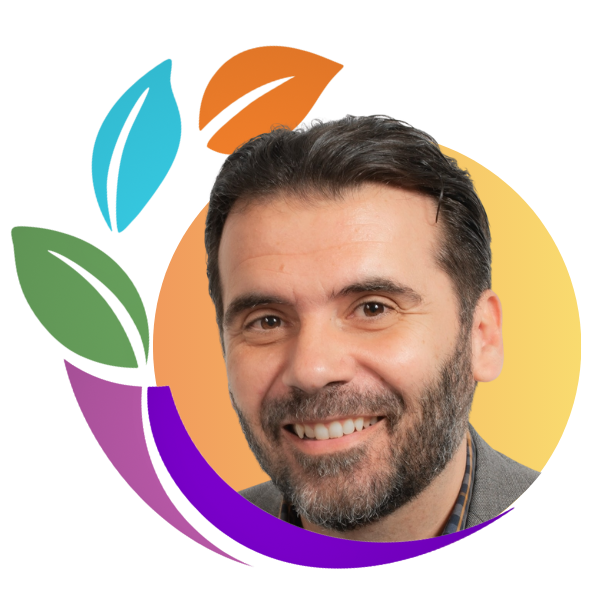
Sun Zhe (Juntendo University), Bas Rokers (NYU Abu Dhabi), Nikola Stikov (Polytechnique Montreal), and Ordan Chukaliev (UKIM Skopje) will lead this town hall meeting, which will address key issues related to Evidence’s long-term success and maintainability.
Lunch Break
Please update your biological runtime with carbs. Failure to patch may cause spontaneous segmentation faults.


Evidence Social
🎉 Sponsored by Foundation KANTAROT
Initiating peer-to-peer human networking protocol. No API keys required.
📍 KANTAROT Headquarters, Boul. Ilinden 41, Skopje — view on map
VENUE
Faculty of Computer Science and Engineering, Ss. Cyril and Methodius University in Skopje

Rugjer Boshkovikj 16, P.O. Box 393, 1000 Skopje, Republic of Macedonia